Funny Live-TV and Radio Slip-Ups Britain Still Talks About
The most beloved unscripted moments from British broadcasting — the hot-mic confessions, failed handovers, weather disasters and background incidents that stopped the nation mid-cup-of-tea.
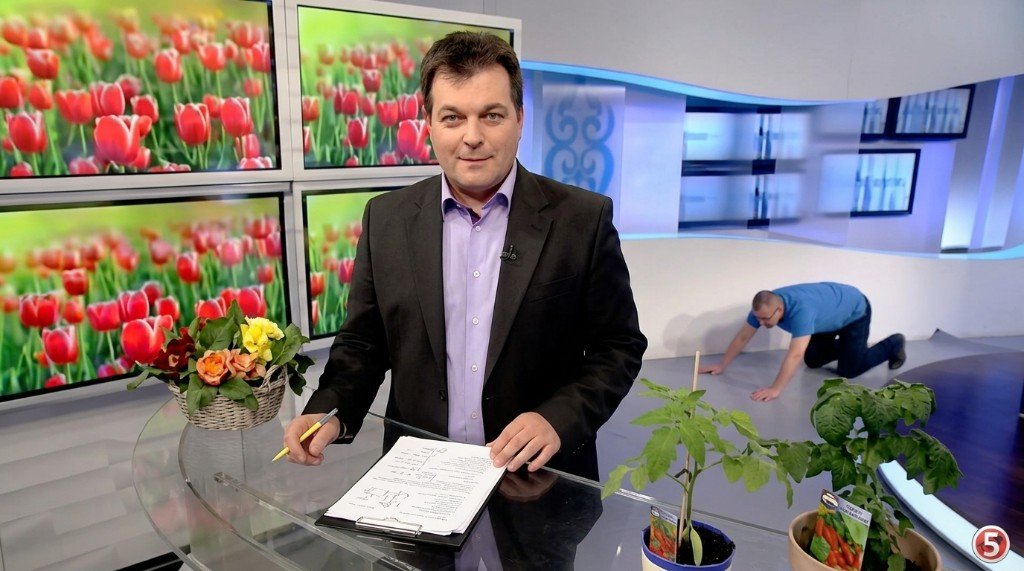 A moment of unscripted honesty on live television — the kind that Britain still talks about years later.
The most memorable live-broadcast mishaps are rarely malicious or cruel. They work because they puncture the polish of television and radio just enough to remind viewers that the people behind the desk are still gloriously human. In a media landscape increasingly sculpted, timed and pre-approved, the accidental moment is increasingly precious.
British broadcasting has always had a soft spot for the accidental comic moment: a weather cross derailed by wind, a radio cue that goes out half a second too early, a presenter chatting off-script before realising the mic is open, or a studio guest reacting with devastating honesty to a carefully prepared question. These are the moments that outlast the programmes they interrupted.
In this article
The four types of live broadcast mishap
Not all broadcast slip-ups are created equal. Some live in the memory because of what was said; others because of what was visible in the background when it really shouldn't have been. After years of cataloguing the genre, four distinct categories account for almost every genuinely beloved British broadcast blunder:
| Type of mishap | Why viewers love it | What it reveals |
|---|---|---|
| Hot-mic chatter | Feels genuinely unscripted — a window into the real conversation happening behind the broadcast | How fast live control rooms move, and how thin the membrane between "on" and "off" really is |
| Failed handover | Perfect timing becomes perfect chaos in real time — the facial expressions are priceless | The fragility of polished transitions and how much muscle memory presenters rely on |
| Unexpected background moment | Turns a routine segment into a shared, national joke that no scriptwriter could have planned | Live TV can never fully control the real world — someone's animal will always run through the shot |
| Weather & OB disasters | The forces of nature versus the BBC's best-dressed correspondent creates perfect comedy | That no amount of preparation can account for a gust of wind arriving at exactly the wrong moment |
Britain's most retold broadcast moments
The British broadcasting canon of beloved blunders is deep and wide. These are the moments that have outlasted the programmes they interrupted — shared across generations, retold at dinner tables, and inexplicably comforting in a way that polished television never quite manages.
Perhaps the most universally experienced category of broadcast error: the presenter continues talking after believing the transmission has ended, or speaks before realising it has begun. The BBC has a particularly rich archive of these — partly because its correspondents often work in busy, acoustically uncontrolled environments where the boundary between "live" and "down the line" can blur in an instant.
What makes these clips enduring is the humanity they expose. You hear the real voice underneath the broadcast voice — the genuine reaction, the muttered aside to a colleague, the unselfconscious laugh. It is brief, accidental, and utterly charming. The correspondent who has just delivered three minutes of measured, authoritative analysis turns, relaxes their shoulders, and says something that no editor would ever have approved. Britain loves them for it immediately.
Breakfast television and live radio are especially fertile ground because the energy is conversational by design. That relaxed atmosphere is charming when it works and comic gold when it slips a fraction. Presenters have to sound effortless while coordinating timing, guests, cues, breaking news and weather tosses all at once.
The failed handover — where both presenters wait for the other to speak, or both speak simultaneously, or one gestures expansively towards a colleague who has just stepped out of shot — has a particular physical comedy to it. The micro-expressions that follow are often more entertaining than any scripted reaction could be. The frozen smile. The slight eyebrow raise. The slow turn to the camera that says, without words, "yes, this is happening."
"The clips that last are the ones where everyone recovers, laughs, and the programme carries on with only a little dignity missing."
The great category of unexpected background moment spans everything from a colleague's child wandering into frame during a serious interview, to an animal behaving unpredictably behind a reporter mid-piece-to-camera. The seagull that made off with a presenter's notes. The inflatable that escaped its moorings during a live outside broadcast. The flag on a government building that chose precisely the wrong moment to become entangled with itself.
British weather reports, in particular, have produced an almost inexhaustible supply of these moments. The forecast delivered into a microphone that has given up. The rain that arrives precisely as the reporter tells viewers it is not raining. The gust that reorganises a carefully prepared demonstration of "typical autumn clothing" into something considerably less typical. These work because they are genuinely unrepeatable. No scriptwriter could have placed them there. The laugh is honest because the surprise is honest.
Radio mishaps have a unique quality: because you cannot see the presenter, your imagination fills in the gaps. You hear the moment of silence, the too-fast recovery, the pre-recorded clip that plays over the wrong segment, the jingle that fires during a serious news summary. Listeners imagine the panic instantly without needing a single visual cue — and that imagined scene is often funnier than any footage could be.
Radio also produces the most quoted category of blunder: the mispronunciation that lands entirely differently than intended, heard by millions simultaneously, impossible to retract. These phrases enter the national vocabulary and remain there for decades. The presenter responsible will be reminded of them at every interview and awards dinner until retirement. Britain treats these moments with enormous, warm affection — and entirely without mercy.
Why these moments spread so easily
In a media world awash with manufactured content and algorithmic recommendation, the live blunder occupies a unique position. It is, by definition, unplanned. No PR team signed it off. No social media strategy amplified it. It simply happened, and the nation watched.
- They are short, surprising and easy to retell. A broadcast mishap can be summarised in one sentence. You don't need to have seen it to laugh at the description.
- They feel authentic in a media world full of polish. Every moment that escapes the editorial process has an inherent freshness that carefully crafted content cannot replicate.
- They invite laughter without requiring anyone to be the villain. The best live-slip moments are warm, not cruel — accidents that reflect well on everyone involved precisely because of how gracefully they were recovered from.
- They become part of a national archive. Decades of small live accidents accumulate into something that feels, collectively, like a portrait of broadcasting culture — the mistakes alongside the masterpieces.
British audiences tend to treat these incidents with affection. There is a national sympathy for the good-natured fumble, the dignified recovery, the moment of accidental honesty. We have always preferred our broadcasters human rather than perfect.
"Viewers can usually tell the difference between a harmless fumble and something genuinely uncomfortable. The clips that last are the ones where everyone recovers, laughs, and the programme carries on — with only a little dignity missing."
How to enjoy them in the best quality
Most of these clips now live permanently online — on YouTube, the BBC archive, and social media — and new ones are added almost every week. A great modern television, combined with the right sound system, puts the entire British broadcast archive at your fingertips in the best possible quality.
The difference between watching a beloved clip on a five-year-old screen versus a modern 4K panel with OLED technology or high-brightness QLED is significant. Facial expressions — the raised eyebrow, the suppressed laugh, the frozen smile of a presenter desperately composing themselves — are precisely where picture quality pays its greatest dividends. And with a proper soundbar or speaker system, you catch every accidental aside, every involuntary snort, every moment of studio silence that carries the weight of a thousand unspoken reactions.
📺 Sponsored · RemarkableSongs
The best TVs at Smart Home Sounds for catching every expression
- 🔊 Sonos Arc Ultra soundbar — Dolby Atmos, 9 drivers, ideal for TV audio. From £999 at Smart Home Sounds
- 📡 AudioQuest HDMI 48G Cable — full 4K/8K HDR passthrough, no compromises. From £49 at Smart Home Sounds